Effective Planning for Your Custom Home

Building a custom home is an exciting journey. It’s your chance to create a space that truly reflects your lifestyle, tastes, and needs. But before the first brick is laid, effective planning is essential. Without a clear plan, the process can become overwhelming, costly, and stressful. I’ve learned that taking the time to plan carefully can make all the difference in turning your dream home into a reality.
Why Planning a Custom Home Matters
When you decide to build a custom home, you’re not just buying a house; you’re investing in a lifestyle. Planning helps you clarify what you want and need, so you avoid costly changes later. It also helps you stay on budget and on schedule.
Think about it this way: Would you start a road trip without a map? Probably not. The same goes for building a home. A well-thought-out plan acts as your roadmap, guiding you through each step.
Here are some key reasons why planning is crucial:
Budget control: Knowing your costs upfront helps prevent surprises.
Design clarity: You get exactly the features and style you want.
Time management: A schedule keeps the project moving smoothly.
Stress reduction: Planning reduces uncertainty and last-minute decisions.
By focusing on these areas, you set yourself up for success.
Steps to Planning a Custom Home
Planning a custom home involves several important steps. Let’s break them down so you can approach each one with confidence.
1. Define Your Priorities and Needs
Start by listing what you want in your home. Consider:
Number of bedrooms and bathrooms
Kitchen layout and features
Living spaces and flow
Storage needs
Outdoor areas like patios or gardens
Ask yourself: What’s non-negotiable? What can you compromise on? This helps you focus on what matters most.
2. Set a Realistic Budget
Your budget will shape many decisions. Include:
Land purchase costs
Construction expenses
Permits and fees
Interior finishes and appliances
Landscaping and exterior work
Add a buffer for unexpected costs, usually 10-15%. Being realistic here saves headaches later.
3. Choose the Right Location
Location affects your lifestyle and home value. Think about:
Proximity to work, schools, and amenities
Neighborhood vibe and future development plans
Lot size, orientation, and topography
Visit potential sites at different times of day to get a feel for noise, traffic, and sunlight.
4. Work with Professionals
A skilled team makes all the difference. You’ll likely need:
An architect or designer to create plans
A builder or contractor to manage construction
A real estate expert to help with land and permits
Clear communication with your team ensures your vision is understood and executed.
5. Plan for the Future
Think long-term. Will your family grow? Do you want energy-efficient features? Planning ahead means your home will serve you well for years.
Designing Your Dream Home
Design is where your personality shines. It’s also where practical needs meet aesthetics. Here’s how to approach it:
Focus on Functionality
A beautiful home is useless if it doesn’t work for you. Consider:
Traffic flow between rooms
Natural light and ventilation
Storage solutions
Accessibility for all family members
Choose a Style That Fits You
From modern to traditional, your home’s style should reflect your taste. Look at magazines, websites, and local homes for inspiration.
Incorporate Energy Efficiency
Energy-efficient homes save money and reduce environmental impact. Think about:
Insulation and windows
Solar panels
Efficient heating and cooling systems
Water-saving fixtures
Plan Outdoor Spaces
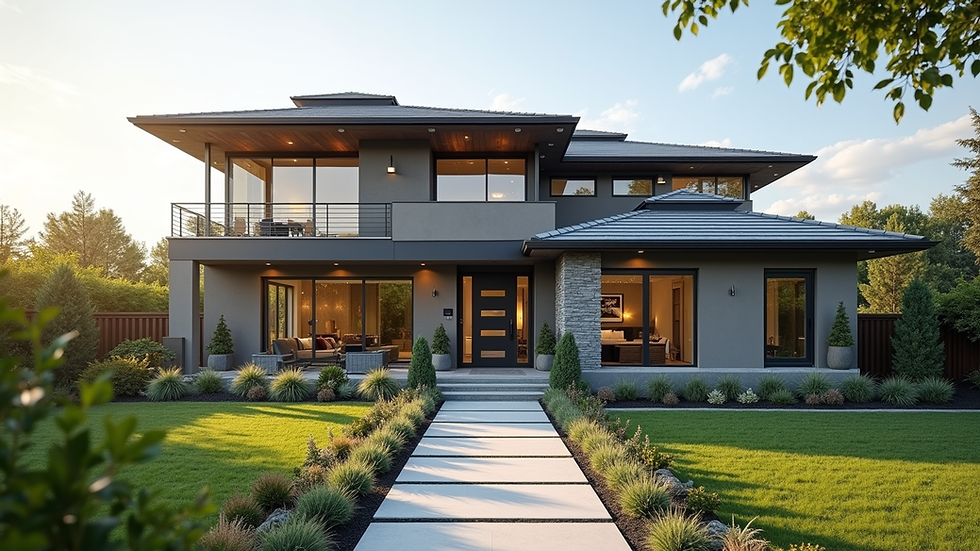
Outdoor living is a big part of many homes. Decide on patios, decks, gardens, or play areas that suit your lifestyle.
Navigating Permits and Regulations
Building a custom home means dealing with local rules. It can feel complicated, but understanding the process helps.
Know Your Local Building Codes
Every area has codes that ensure safety and quality. These cover:
Structural requirements
Electrical and plumbing standards
Energy efficiency
Zoning laws
Obtain Necessary Permits
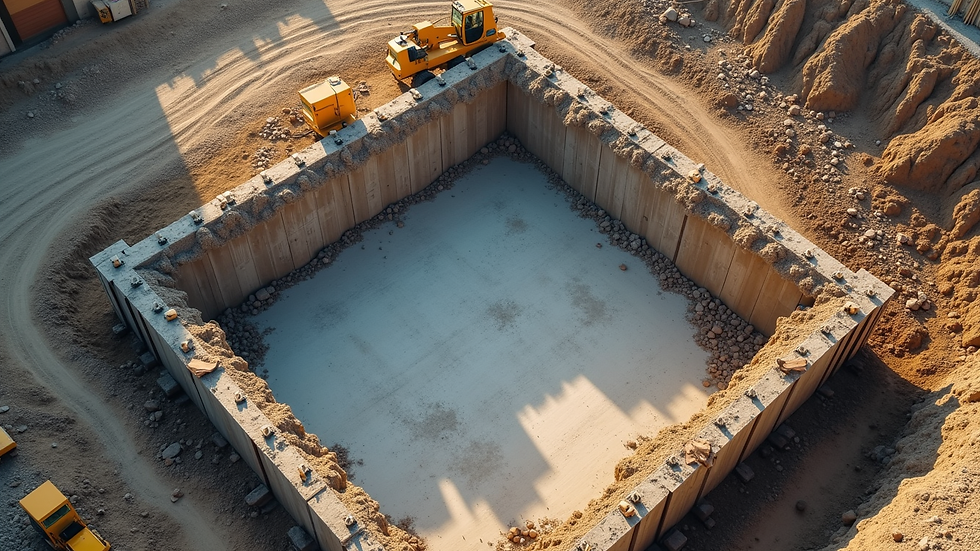
Before construction starts, you’ll need permits. These might include:
Building permit
Electrical permit
Plumbing permit
Environmental permits
Your builder or real estate expert can guide you through this.
Schedule Inspections
Inspections happen at various stages to ensure compliance. Be prepared for:
Foundation inspection
Framing inspection
Electrical and plumbing inspections
Final inspection before occupancy
Staying on top of these keeps your project on track.
Managing Your Custom Home Project
Once planning and design are set, managing the build is key. Here’s how to keep things running smoothly.
Communicate Regularly
Stay in touch with your builder and team. Regular updates help catch issues early.
Track Your Budget and Timeline
Use spreadsheets or apps to monitor spending and progress. Adjust as needed but keep your goals in mind.
Be Ready for Decisions
Unexpected choices will come up. Having your priorities clear helps you decide quickly.
Visit the Site Often
Seeing the work firsthand lets you spot problems and celebrate milestones.
Making Your Custom Home a Reality
Building a custom home is a rewarding experience when you plan well. It’s about more than just bricks and mortar - it’s about creating a space where memories will be made.
Remember, effective planning means:
Defining your needs and budget clearly
Choosing the right location and team
Designing with both style and function in mind
Navigating permits and inspections carefully
Managing the project with communication and flexibility
If you want to dive deeper into custom home planning, there are plenty of resources and experts ready to help you every step of the way.
With the right approach, your dream home in Lincoln is within reach. Take it one step at a time, and enjoy the journey!
Comments