Key Steps in Planning Custom Homes

Building a home from the ground up is an exciting journey. It’s your chance to create a space that fits your lifestyle perfectly. But where do you start? How do you turn your dream into a reality without feeling overwhelmed? I’ve walked through this process, and I’m here to share the key steps in planning custom homes that will help you stay organized, confident, and inspired.
Understanding Your Needs and Setting Priorities in Planning Custom Homes
Before you dive into blueprints and budgets, take a moment to reflect on what you truly want in your home. This step is about you and your lifestyle. Ask yourself:
How many bedrooms and bathrooms do I need?
Do I want an open floor plan or more defined spaces?
What kind of outdoor living areas do I envision?
Are there any special features like a home office, gym, or workshop?
Write down your must-haves and nice-to-haves. This list will guide every decision you make. For example, if you work from home, a quiet, well-lit office space might be non-negotiable. Or if you love entertaining, a large kitchen with an island and seamless flow to the dining area could be a priority.
Setting clear priorities helps you avoid costly changes later. It also makes conversations with your builder and architect more productive. Remember, this is your home, so don’t be afraid to dream big but stay realistic about what fits your budget and lot size.
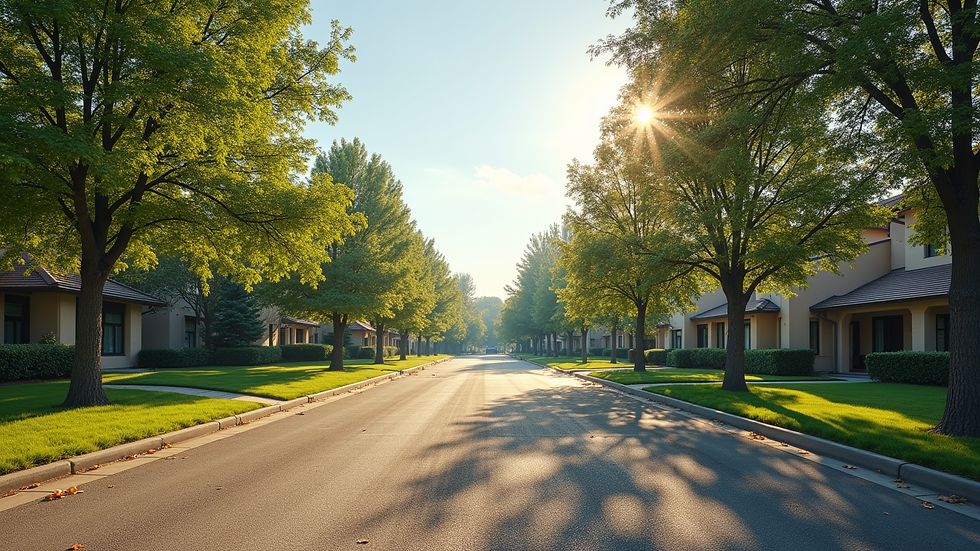
Choosing the Right Location and Lot for Your Custom Home
Location is everything. It affects your daily life, your home’s value, and even your future resale potential. When selecting a lot, consider:
Proximity to work, schools, and amenities
Neighborhood vibe and community features
Lot size, shape, and topography
Sunlight exposure and views
Local zoning laws and building restrictions
For instance, a lot with a gentle slope might offer beautiful views but could increase construction costs. A flat lot might be easier to build on but may lack privacy. Think about how the lot’s characteristics align with your lifestyle and home design goals.
Visiting potential lots at different times of day can reveal important details like traffic noise or morning sun angles. Don’t rush this step. The right location sets the foundation for your entire project.
Collaborating with Professionals: Architects, Builders, and Designers
Once you know what you want and where you want it, it’s time to bring in the experts. Working with the right team can make all the difference. Here’s how to approach this:
Architects: They translate your ideas into detailed plans. Look for someone who listens well and understands your style.
Builders: Choose a builder with a strong reputation and experience in custom homes. Ask for references and visit past projects.
Designers: Interior designers can help you select finishes, colors, and layouts that enhance your home’s functionality and beauty.
Communication is key. Share your priorities and budget openly. Regular meetings and updates keep everyone on the same page. Don’t hesitate to ask questions or request changes early in the process. It’s easier to adjust plans before construction begins.
Remember, this team is your partner. Their expertise will help you avoid pitfalls and create a home that’s both stunning and practical.
Budgeting Wisely: Managing Costs and Expectations
Budgeting is often the most stressful part of building a custom home. But with careful planning, you can keep costs under control and avoid surprises. Here’s what I recommend:
Start with a realistic budget based on your financial situation and market prices.
Include all costs: land purchase, permits, design fees, construction, landscaping, and interior finishes.
Set aside a contingency fund of at least 10% for unexpected expenses.
Prioritize spending on key features that add value and comfort.
Get multiple quotes from contractors and suppliers to compare prices.
For example, you might choose high-end kitchen appliances but opt for more affordable flooring. Or you could plan for future upgrades instead of including everything upfront.
Tracking your expenses regularly helps you stay on target. Use spreadsheets or budgeting apps to monitor costs and adjust plans if needed. Remember, a well-planned budget is your best tool for a smooth building experience.
Navigating Permits and Regulations
Building a custom home involves more than just design and construction. You’ll need to secure permits and comply with local building codes. This process can seem daunting, but it’s essential for safety and legality.
Start by contacting your local building department to understand requirements. Common permits include:
Building permit
Electrical permit
Plumbing permit
Zoning approval
Your builder or architect can often handle permit applications, but it’s good to stay informed. Delays in permits can push back your timeline, so submit applications early.
Also, be aware of any neighborhood covenants or restrictions that might affect your design choices. For example, some communities have rules about exterior colors or fence heights.
Taking the time to navigate these regulations carefully will save you headaches and keep your project on track.

Finalizing Design and Preparing for Construction
With permits in hand and your team assembled, it’s time to finalize your home’s design. This includes:
Reviewing and approving detailed floor plans and elevations
Selecting materials, finishes, and fixtures
Planning landscaping and outdoor spaces
Scheduling construction phases and timelines
At this stage, walk through the plans carefully. Visualize how each room will feel and function. Ask your architect or builder to explain any technical details you don’t understand.
Once you’re confident, sign off on the plans and contracts. Clear agreements on scope, costs, and timelines protect everyone involved.
As construction begins, stay engaged. Regular site visits and communication with your builder help catch issues early and keep the project moving smoothly.
Embracing the Journey of Building Your Dream Home
Building a custom home is a big commitment, but it’s also incredibly rewarding. You get to create a space that reflects your personality and meets your needs perfectly. Along the way, you’ll learn a lot, make important decisions, and see your vision come to life.
If you ever feel overwhelmed, remember why you started. Keep your priorities in mind and lean on your team for support. Celebrate milestones, from breaking ground to framing and finishing touches.
By following these key steps in planning custom homes, you’ll be well-prepared to navigate the process with confidence and joy. And if you want to dive deeper into custom home planning, there are plenty of resources and experts ready to help you every step of the way.
Building your dream home is within reach. Take it one step at a time, and soon you’ll be unlocking the door to a place that’s truly yours.
Comments