Custom Home Building: Key Features to Consider
- Matt Skibicki

- Jan 13
- 5 min read
Updated: Feb 3
Building a Custom Home: Your Guide to Creating Your Dream Space
Building a custom home is an exciting journey that allows you to create a space that reflects your personal style and meets your specific needs. However, with so many decisions to make, it can also be overwhelming. Understanding the key features to consider during the custom home building process can help streamline your experience and ensure that your new home is everything you’ve dreamed of.

Understanding Your Needs and Lifestyle
Before diving into the specifics of home features, it's essential to assess your lifestyle and needs. Consider the following questions:
How many people will live in the home? This will determine the number of bedrooms and bathrooms you need.
What are your hobbies and interests? If you enjoy cooking, a spacious kitchen may be a priority. If you work from home, a dedicated office space might be essential.
Do you plan to entertain often? Open floor plans and outdoor spaces can enhance your ability to host gatherings.
By answering these questions, you can create a clear vision of what your custom home should include.
Location and Site Considerations
The location of your custom home plays a significant role in its design and functionality. Here are some factors to consider:
Proximity to Work and Schools: Consider how far you are willing to commute. Being close to work or quality schools can save time and enhance your quality of life.
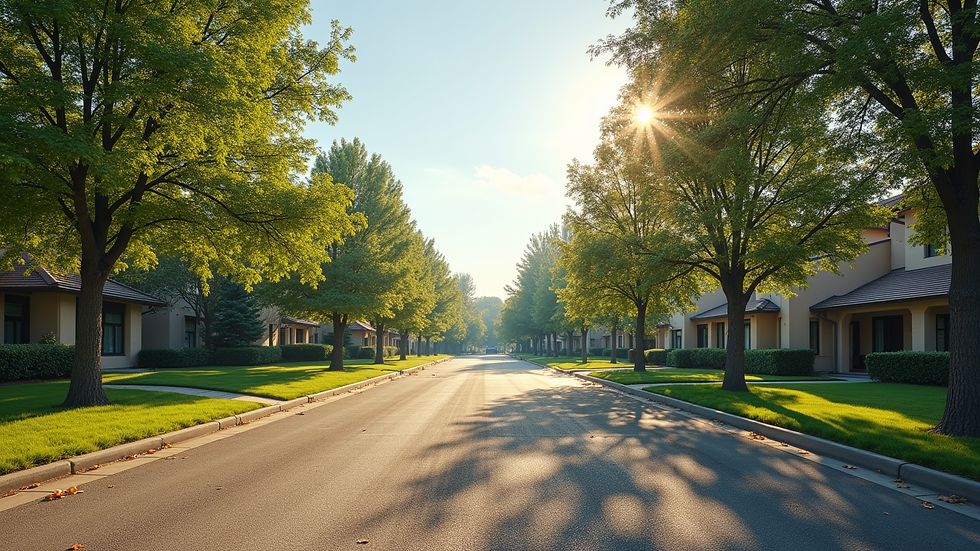
Neighborhood Amenities: Look for nearby parks, shopping centers, and recreational facilities that align with your lifestyle.
Lot Size and Orientation: The size and shape of your lot will influence your home’s layout. Additionally, consider the direction your home will face for optimal natural light and energy efficiency.
Architectural Style
Choosing an architectural style is one of the most exciting aspects of building a custom home. Here are some popular styles to consider:
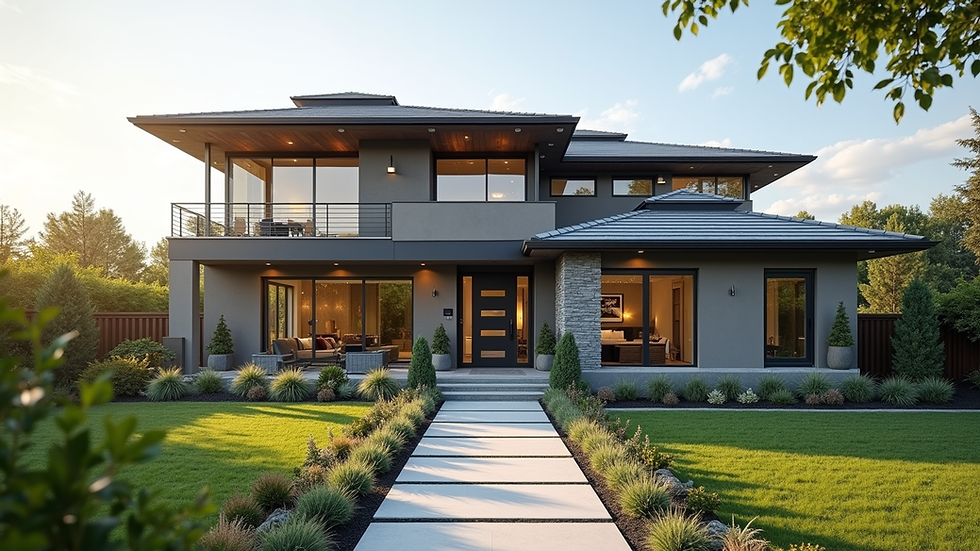
Modern: Characterized by clean lines, large windows, and open spaces, modern homes often incorporate sustainable materials and energy-efficient technologies.
Traditional: This style features classic elements such as brick facades, gabled roofs, and detailed moldings. It often evokes a sense of timelessness.
Craftsman: Known for its attention to detail, craftsman homes feature exposed beams, built-in furniture, and extensive woodwork.
Selecting an architectural style that resonates with you will help create a cohesive look for your home.
Essential Features to Include
When building a custom home, certain features can enhance both functionality and comfort. Here are some key elements to consider:
Kitchen Design
The kitchen is often the heart of the home. Consider these features:
Open Concept Layout: This design promotes interaction and makes the space feel larger.
High-Quality Appliances: Invest in energy-efficient appliances that suit your cooking style.
Ample Storage: Incorporate cabinets, drawers, and pantry space to keep your kitchen organized.
Bathroom Features
Bathrooms should be both functional and relaxing. Key features include:
Double Vanities: Ideal for couples, double vanities reduce morning congestion.
Walk-In Showers: These provide a luxurious feel and are easier to access than traditional tubs.
Natural Light: Skylights or large windows can create a spa-like atmosphere.
Energy Efficiency
Incorporating energy-efficient features can save you money in the long run. Consider:
Insulation: Proper insulation keeps your home comfortable and reduces energy costs.
Energy-Efficient Windows: These can minimize heat loss and improve your home’s overall efficiency.
Solar Panels: If feasible, solar panels can significantly reduce your electricity bills.
Outdoor Spaces
Don’t forget about the exterior of your home. Outdoor spaces can enhance your living experience. Consider:
Patios and Decks: These areas are perfect for entertaining or relaxing outdoors.
Landscaping: Thoughtful landscaping can improve curb appeal and provide privacy.
Fencing: A well-placed fence can create a sense of security and define your property boundaries.
Smart Home Technology
Integrating smart home technology can enhance convenience and security. Some popular options include:
Smart Thermostats: These devices learn your habits and adjust heating and cooling accordingly.
Security Systems: Smart cameras and alarms can provide peace of mind.
Lighting Control: Smart lighting allows you to control your home’s ambiance from your smartphone.
Budgeting for Your Custom Home
Creating a budget is crucial in the custom home building process. Here are some tips:
Set a Realistic Budget: Consider all costs, including land, materials, labor, and permits.
Prioritize Features: Determine which features are essential and which can be added later.
Include a Contingency Fund: Unexpected expenses can arise, so having a buffer can prevent financial strain.
Working with Professionals
Building a custom home requires collaboration with various professionals. Here’s who you may need:
Architects: They can help design your home and ensure it meets local building codes.
Contractors: A reliable contractor will manage the construction process and coordinate subcontractors.
Interior Designers: They can assist in selecting finishes and furnishings that align with your vision.
Finalizing Your Design
Once you have a clear vision and budget, it’s time to finalize your design. This process includes:
Creating Detailed Plans: Work with your architect to develop blueprints that outline every aspect of your home.
Selecting Materials: Choose finishes, fixtures, and colors that reflect your style.
Reviewing Contracts: Ensure all agreements with contractors are clear and comprehensive.
Navigating the Construction Process
The construction phase can be both exciting and challenging. Here are some tips for a smooth experience:
Regular Communication: Stay in touch with your contractor to address any concerns promptly.
Site Visits: Regularly visit the construction site to monitor progress and ensure everything aligns with your vision.
Be Flexible: Delays and changes can happen. Being adaptable will help you navigate the process more smoothly.
Moving In and Personalizing Your Space
Once construction is complete, it’s time to move in and make your new house a home. Here are some ideas for personalizing your space:
Decorate with Meaning: Use artwork, photographs, and decor that reflect your personality and experiences.
Create Functional Spaces: Arrange furniture to suit your lifestyle, whether it’s a cozy reading nook or a vibrant entertaining area.
Landscaping: Add plants and outdoor furniture to enhance your outdoor living spaces.
Conclusion
Building a custom home is a significant investment of time and resources, but the rewards are immeasurable. By considering your needs, selecting the right features, and working with professionals, you can create a space that truly reflects your lifestyle. Remember to stay organized, communicate effectively, and enjoy the journey of bringing your dream home to life.
As you embark on this exciting adventure, take the time to reflect on what matters most to you and your family. Your custom home is not just a structure; it’s a place where memories will be made and cherished for years to come.
For more insights on navigating the custom home building process, visit Matt Skibicki Realty.

Comments